



Latest Posts By pharoah88
- Supreme
 About pharoah88
|
|
| 31-Mar-2011 16:03 |
User Research/Opinions
/
******** GENTING SP ******** WARRATS ********
 Go to Message Go to Message
|
||||||||||||||||||||||||
 x 0 x 0
 x 0 x 0
|
|
||||||||||||||||||||||||
| Good Post Bad Post | |||||||||||||||||||||||||
| 31-Mar-2011 16:02 |
User Research/Opinions
/
^^^^^^^^GENTING HK^^^^^^^^ WARRANTS ^^^^^^^^
Go to Message
|
||||||||||||||||||||||||
|
x 0
x 0
|
|
||||||||||||||||||||||||
| Good Post Bad Post | |||||||||||||||||||||||||
| 31-Mar-2011 16:01 |
User Research/Opinions
/
******** GENTING ******* BERHAD ********
Go to Message
|
||||||||||||||||||||||||
|
x 0
x 0
|
|
||||||||||||||||||||||||
| Good Post Bad Post | |||||||||||||||||||||||||
| 31-Mar-2011 15:58 |
Genting Sing
/
GenSp starts to move up again
Go to Message
|
||||||||||||||||||||||||
|
x 0
x 0
|
|
||||||||||||||||||||||||
| Good Post Bad Post | |||||||||||||||||||||||||
| 31-Mar-2011 15:57 |
Genting Sing
/
GenSp starts to move up again
Go to Message
|
||||||||||||||||||||||||
|
x 0
x 0
|
 |
||||||||||||||||||||||||
| Good Post Bad Post | |||||||||||||||||||||||||
| 30-Mar-2011 15:06 |
Genting Sing
/
GenSp starts to move up again
Go to Message
|
||||||||||||||||||||||||
|
x 0
x 0
|
BEWARE of HELL NOTES in S G X they are B L O OD Y
|
||||||||||||||||||||||||
| Good Post Bad Post | |||||||||||||||||||||||||
| 30-Mar-2011 10:58 |
Genting Sing
/
GenSp starts to move up again
Go to Message
|
||||||||||||||||||||||||
|
x 0
x 0
|
GOVERNANCE at CASINO MORE TRANSPARENT than at SGX BETTING at CASINO is better than trading S-CHIPS !? louis001 ( Date: 30-Mar-2011 08:57) Posted:
|
||||||||||||||||||||||||
| Good Post Bad Post | |||||||||||||||||||||||||
| 30-Mar-2011 10:55 |
Genting Sing
/
Traders Lounge - Daily opportunities for everyone
Go to Message
|
||||||||||||||||||||||||
|
x 0
x 0
|
GOVERNANCE at CASINO MORE TRANSPARENT than at SGX louis001 ( Date: 30-Mar-2011 08:57) Posted:
|
||||||||||||||||||||||||
| Good Post Bad Post | |||||||||||||||||||||||||
| 25-Mar-2011 10:17 |
RafflesEdu
/
Raffles Edu
Go to Message
|
||||||||||||||||||||||||
|
x 0
x 0
|
Raffles Education: Approval obtained for share consolidation Summary: Raffles Education Corp (REC) announced that it has received the relevant approvals with regards to its proposal to consolidate every three existing ordinary shares into one ordinary share in the capital of the group. While there is no difference to shareholders, it could help to reduce the magnitude of volatility in REC’s share price. Given the increasing emphasis and awareness placed on education, we opine that quality private education providers such as REC would stand to be a beneficiary. We like REC for its established track record in the regional education scene and its efforts to improve the depth of its services by moving up the education value system. However, we expect headwinds from China to persist for some time while meaningful contribution from its new schools is only beginning to accrue. This could limit the potential upside for REC’s share price, in our opinion. As such we maintain our HOLDrating and fair value estimate of S$0.27 (S$0.815 after adjusting for the share consolidation). (Wong Teck Ching Andy) |
||||||||||||||||||||||||
| Good Post Bad Post | |||||||||||||||||||||||||
| 18-Mar-2011 12:14 |
Others
/
2011 March 17 JAPAN earthquake [NO MILK TODAY]
Go to Message
|
||||||||||||||||||||||||
|
x 0
x 0
|
Will Land of Rising Yen trigger sellout of US debt? William Pesek A sudden shock to the global financial system has a way of uncovering its true state.Bloomberg News headline proclaimed “Yen Reaches Four-Month High Against Dollar on Safe-Haven Demand.” Some haven, that Japan.it is US debt.
NIGHTMARE CHAIN REACTION That is, unless the Japanese move to draw down large chunks of its US$886 billion worth. It could trigger the nightmare chain reaction officials in Washington have dreaded since 2008.
China, which holds US$1.2 trillion (S$1.5 trillion) of US debt, might act to avoid even bigger losses.
The United Kingdom (US$278 billion), oil exporters (US$216 billion), Brazil (US$198 billion), Caribbean banking centres (US$167 billion) might follow suit.
So might Asia’s other dollar hoarders, including Taiwan, Hong Kong, Singapore and Thailand.
If history is any guide, it might now happen.
“Based on the 1995 experience of the Great Hanshin earthquake, the risk of selling by Japanese insurance companies would appear to be limited, at least in the nearterm,” says Mr Ward McCarthy, chief financial economist at Jefferies and Co in New York.
Yet the Japan of this year is not the Japan of 1995.
Its debt is now twice the size of the economy, leaving far less room to borrow to boost growth than there was 16 years ago.
Also, the Bank of Japan’s interest-rate policies are already at zero and beyond.
The next step would be massive BOJ purchases of Japanese stocks after the Nikkei 225 Stock Average fell 16 per cent the in first two trading days after the earthquake.
That would be a slippery financial slope but desperate times do tend to lead to desperate measure. That would certainly be the case if Japan decided to start dropping big blocks of Treasuries on the market. The turmoil would catch many a government policy-maker or investor swimming naked, in the Buffett sense.
Mr Geithner had a point when he told the Senate Banking Committee on that Japan has “a very high savings rate” and that “it has the capacity to help deal with not just the humanitarian challenge but the reconstruction challenge they face ahead”.
That would be fine if we knew what to expect. Fire and aftershocks continue to strike the crippled Fukushima Dai-Ichi power plant, as officials battle to prevent a nuclear meltdown after last week’s record earthquake. Clouds of white smoke or steam are rising from reactor buildings and moving in the direction of Tokyo.
Will a worsening crisis force Japan to sell hundreds of billions of dollars of Treasuries?
# JAPAN has nO where else tO earn decent retUrns On its RESERVES #
We will see when and where the toxic dust settles.
BLOOMBERG William Pesek is a Bloomberg News columnist. The opinions expressed are his own.
http://imcmsimages.mediacorp.sg/CMSFileserver/documents/006/PDF/20110318/1803CAP028.pdf As billionaire Warren Buffett famously said, it is only when the tide goes out that you learn who has been swimming naked. Two events since Japan’s March 11 earthquake have shown the extent to which our economic reality has no proverbial clothes. One is that the yen is rising. You would think earthquakes, tsunamis and radiation clouds would have investors actively fleeing yen assets. Not so. On March 14, a The other is how quickly Mr Timothy Geithner, the United States Treasury Secretary, got in front of the biggest worry in markets: That Japan will dump its vast holdings of Treasuries to raise cash. This latter one is worth exploring because its implications would travel farther and wider than the radiation leaking from nuclear power plants. It could just happen, roiling world markets like only a Black Swan-event can. Theories for yen demand tread similar ground as the rationale for Japan selling its dollar holdings — just less convincingly. We always need a handy explanation for why something is happening. New reports argue that it is all about insurance companies repatriating funds to pay for quake demand. Perhaps, yet it is only part of the story. The yen has been irrationally strong since the 2008 collapse of Lehman Brothers Holdings. Even with the nuclear risks, the yen is considered a less risky currency than the dollar and euro. It is not that the yen is attractive. It is that if the currency markets held a beauty contest, the yen would be the least ugly contestant. The same could be said of US debt. Pacific Investment Management’s Bill Gross, who runs the world’s biggest bond fund, last month dumped government-related debt. Few investors seem willing to do the same. The reason: What else are you going to buy? Greek debt? French debt? Gold? Try to get your hands on some of the 5 per cent of Japanese government bonds that are not held in Japan? For better or worse, |
||||||||||||||||||||||||
| Good Post Bad Post | |||||||||||||||||||||||||
| 18-Mar-2011 11:56 |
Others
/
2011 March 17 JAPAN earthquake [NO MILK TODAY]
Go to Message
|
||||||||||||||||||||||||
|
x 0
x 0
|
http://imcmsimages.mediacorp.sg/CMSFileserver/documents/006/PDF/20110318/1803CAP025.pdf The worsening crisis at the Fukushima power station in Japan has led to inevitable comparisons with the 1986 Chernobyl nuclear disaster that killed workers at the plant instantly, caused cancers in the surrounding population and spread radioactive contamination so far that livestock restrictions are still in place at some farms around the United Kingdom.
SEVERAL DISASTER SCENARIOS There are a number of disaster scenarios that the authorities must contend with that could produce a severe radiation leak.
The most obvious is that one or more of the reactors goes into meltdown. That can occur if the fuel rods in the core are not cooled enough, and the rods and surrounding cladding melt.
Because this molten material forms a blob, it is much harder to cool than when the rods are spaced apart, so it can heat up further and ultimately melt through the bottom of the reactor vessel. If it then causes an explosion and ruptures the secondary containment, it can release radiation into the environment.
Another doomsday scenario — and one the engineers are battling now — is that one or more of the huge water pools used to store spent fuel boils dry, exposing the fuel rods to the atmosphere where they catch fire.
These fuel rods are heavily contaminated with radioactive fission products that could be released directly into the air.
If either of these scenarios happens, more radioactive material will be spewed out of the power station without doubt. At the site, the greatest danger would be from short-lived products of the fission reactions that fizzle out quickly in a burst of gamma rays.
CONTAMINATED FOOD MAI N DANGER For the more distant population, the most serious radioactive substances that would be released are caesium-137 and iodine-131.
These are extremely volatile, so can be carried a long way. But dangerous doses are not likely to travel far on the wind.
“Unless you’re right next to the plant, the vast amount of the dose would be from what you eat and drink,” said Mr Neil Scrout, who models environmental contaminants at the University of Nottingham.
The danger comes when radioactive iodine and caesium rain down on the ground, on pastureland, for example, and livestock eat it. Cows concentrate radioactive iodine in their milk. Radioactive caesium accumulates in muscles, and in the past has built up in grazing sheep.
The threat to humans then comes from drinking milk and eating contaminated meat.
Both can raise the risk of cancer-iodine especially by being absorbed into children’s thyroid glands. The iodine pills work by flooding the thyroid with stable iodine so the gland cannot absorb the radioactive form.
“The principal concern the authorities are worrying about — and it is why they have evacuated the area, why they are banning food stuffs, and why they are issuing stable iodine tablets — is that if there is a serious release, you have radioactive iodine. We know from Chernobyl that you’ve got to limit the dose to the thyroid glands of young children,” said Dr Wakeford.
A recent report from the United Nation’s scientific committee on the effects of atomic radiation found that a rise in thyroid cancer was the only substantial medical legacy of Chernobyl in the general population.
“What happened at Chernobyl, which was a much more serious accident than this, was that the local Soviet authorities were in denial, they didn’t get people out of the area, they didn’t evacuate quickly enough, and they allowed children to continue to drink heavily contaminated milk. And as a consequence, many children received high doses of radiation, a sievert and greater, to the thyroid and we’ve seen thousands of thyroid cancers as a consequence,” Dr Wakeford said.
“In 1957 radio-iodine was released in the Windscale fire in Cumbria. They monitored it and tipped the milk away. If they had done that at Chernobyl they could have prevented much of the problem.”
THE GUARDIAN
Ian Sample has been a science correspondent for the Guardian since 2003. These burn out so fast that they are not a major problem further afield. “As time goes by, much of the early short-lived radioactivity dies away and you’re in a much happier position,” said Dr Wakeford.
Any explosion could launch uranium and plutonium fuel — the latter from Reactor 3 — into the air. These would remain as particles and would settle near the plant. They are grim environmental contaminants, and could see vast areas ruled out of bounds, but they are only a serious problem to people if they are ingested or inhaled.
The situation at Fukushima — which the French nuclear agency estimates to be a Level Six “serious accident” (two up from the one at Three Mile Island in 1979) — is certainly grave and immediately dangerous for those at the site who are fighting to make the crippled reactors and fuel storage ponds safe. But whatever warnings are now being issued by foreign governments to their citizens in Japan, there are significant differences that set this apart from the catastrophe in Ukraine. At Chernobyl, the nuclear reactor exploded after a surge in power that blew the top off the power plant and sent hot fuel — and importantly, its more radioactive fission products — high into the upper atmosphere, where it floated across national borders. A fire that broke out in the graphite core forced more radioactive material into the air, helping it spread further. The reactor had no containment facility to even slow the release of radiation from the plant. The Fukushima boiling water reactor is a 40-year-old power plant and it has some glaring design flaws, but the reactors have been switched off for five days, so there is less fresh radioactive material around. And each core is contained within a 20cm-thick steel container, which is then protected by a steel-lined reinforced concrete outer structure. Even in the case of a meltdown, these measures should at least limit the amount of radiation released. The engineers at the site are working in swift changeover shifts to limit their own exposure to radiation. After a peak in radioactivity during the release of steam from the plant this week, one worker received a radiation dose of 106 millisieverts, according to Japan’s Nuclear and Industrial Safety Agency. That is a dangerous level but the dose corresponds to less than a 1 per cent risk of fatal cancer in the worker’s lifetime, said Dr Richard Wakeford, an expert in radiation epidemiology at the Dalton Nuclear Institute at Manchester University. But what of the population beyond? The risk from radiation falls off substantially with distance. The authorities have already imposed an exclusion zone of 12 miles (19.3km) around the power station, introduced food bans and dispensed potassium iodide pills to those in the surrounding area. Those pills are to be taken only if a major leak of radiation spills out from the plant and reaches people at high levels. The radiation is lower at a distance because the particles become dispersed and their radioactivity continues to fall. Radiation levels have already risen above background levels in Tokyo and the United States Navy has measured higher levels off the coast, but these are far below the levels that can harm health. Any danger ahead will come from a major and sustained release of radiation.
|
||||||||||||||||||||||||
| Good Post Bad Post | |||||||||||||||||||||||||
| 18-Mar-2011 11:43 |
Others
/
2011 March 17 JAPAN earthquake [NO MILK TODAY]
Go to Message
|
||||||||||||||||||||||||
|
x 0
x 0
|
today Friday March 18, 2011 21Fukushima’s not Chernobyl The danger’s less, though risk of radiation spread remains
The danger comes when radioactive iodine and caesium rain down on the ground, on pastureland, for example, and livestock eat it ... The threat to humans then comes from drinking milk and eating contaminated meat.
http://imcmsimages.mediacorp.sg/CMSFileserver/documents/006/PDF/20110318/1803CAP025.pdf |
||||||||||||||||||||||||
| Good Post Bad Post | |||||||||||||||||||||||||
| 18-Mar-2011 11:23 |
Others
/
2011 March 17 JAPAN earthquake [NO MILK TODAY]
Go to Message
|
||||||||||||||||||||||||
|
x 0
x 0
|
http://imcmsimages.mediacorp.sg/CMSFileserver/documents/006/PDF/20110318/1803CAC024.pdf A It is almost as if there is no disaster too big today that it cannot be made worse — or at least imagined so — by an army of selfstyled disaster specialists in search of salacious copy. These variously seek to draw out an array of pre-determined conclusions — from the supposed moral lessons to be drawn from societies held to be developing too far or too fast, to assumptions about the presumed fallibility of technology. And all this, despite the actual evidence emanating from Fukushima consistently pointing to the reality of its being a relatively localised problemaddressed by a small number of dedicated professionals whose courage in truly risking it all for the benefit of everyone else we should seriously respect. one being The self-oriented projections of certain commentators — many, but not exclusively, halfway around the globe from the site of the incident — reflects the sad emergence of a confused culture today that always starts from the question: “What does it mean for me?” This is the very opposite of the humane disposition best exemplified by the majority of Japanese people whose calm dignity, fortitude and cooperativeness at this time we could all do to learn from. Some ill-informed invective has gone so far to suggest that this is what we should come to expect in an age when — driven by climate change or human development — natural disasters will become more frequent or intense. Such hacks could do with learning a little more history before reaching for their keyboards. Worse or equivalent earthquakes, both in terms of severity and human impact, have been recorded going back over 500 years. That these are more costly today is a measure of how far we have actually progressed. For the truth is, that in any other period and in most other countries, such an episode would have cost considerably more lives than they have here. It is a testament to Japan’s remarkable development and resilience that this was not the case. This development relied at base on the provision of plentiful quantities of energy — much of it nuclear. s if the twin calamities of a huge earthquake followed by a devastating tsunami were not enough, much of the coverage and commentary relating to recent events in Japan has displayed a distasteful desire to project a third — nuclear — catastrophe onto the situation.THE ANTI-NUCLEAR AGENDA That anti-nuclear groups are using this event as a vehicle to promote their preexisting agenda is hardly surprising. In almost all crisis situations today, there is a small army of risk entrepreneurs who seek to benefit by using particular incidents to confirm conclusions they held in advance, even — as is the case here – when the real evidence flies in the face of their theories. To give credence to these, as some Western governments appear to have done, by enacting a moratorium on nuclear power generation, is to pander to populist prejudice in a way that may yet prove far more costly than any future mishap. It is equivalent to taking at face value the gratuitous text message rumours that have also been circulating recently and saying that their existence somehow proves their validity and the need to pay credence to them. In fact, the reverse is true. Now, more than ever, such views should be robustly rebutted. People’s fears are not simply based in fact. Outlooks are shaped over protracted periods, determined by a vast number of social, cultural and political variables, such as the impact on people’s imaginations of books, television programmes and films that project dystopian visions of the present and the future, as well as their interpretation of the various forces shaping their lives, such as presumptions as to whether we live in a particularly dangerous world, or whether we should trust strangers and the authorities charged with ensuring our well-being. That individuals succumb to the contemporary climate of cultural pessimism may be understandable. Thus the huge demand for Geiger counters in Germany, a country not renowned for major tremors. But that the authorities act accordingly and make the knee-jerk gesture to close down half its power plants is blinkered in the extreme, and points to their own inner crisis of resolve and direction. It is indeed sad that, at such times, rather than supporting people in need, some focus more on projecting their puerile fantasies and latent prejudices onto the situation and thereby ignore the real demands of the situation. Bill Durodie is a Senior Fellow at the Centre for Non-Traditional Security Studies, S Rajaratnam School of International Studies, Nanyang Technological University, |
||||||||||||||||||||||||
| Good Post Bad Post | |||||||||||||||||||||||||
| 18-Mar-2011 11:12 |
Others
/
2011 March 17 JAPAN earthquake [NO MILK TODAY]
Go to Message
|
||||||||||||||||||||||||
|
x 0
x 0
|
Disaster hacks should stick to the facts Bill Durodie In almost all crisis situations today, there is a small army of risk entrepreneurs who seek to benefit by using particular incidents to confirm conclusions they held in advance, even — as is the case here — when the real evidence flies in the face of their theories. |
||||||||||||||||||||||||
| Good Post Bad Post | |||||||||||||||||||||||||
| 18-Mar-2011 10:07 |
Others
/
2011 March 17 JAPAN earthquake [NO MILK TODAY]
Go to Message
|
||||||||||||||||||||||||
|
x 0
x 0
|
NUCLEAR UNDERGROUND DETONATION 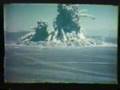
http://www.youtube.com/watch?v=ca4D0-s8OsI& feature=fvwrel |
||||||||||||||||||||||||
| Good Post Bad Post | |||||||||||||||||||||||||
| 18-Mar-2011 10:02 |
Others
/
2011 March 17 JAPAN earthquake [NO MILK TODAY]
Go to Message
|
||||||||||||||||||||||||
|
x 0
x 0
|
TSAR BOMBA - KING OF BOMBS 
http://www.youtube.com/watch?v=LxD44HO8dNQ& NR=1& feature=fvwp |
||||||||||||||||||||||||
| Good Post Bad Post | |||||||||||||||||||||||||
| 18-Mar-2011 09:57 |
Others
/
2011 March 17 JAPAN earthquake [NO MILK TODAY]
Go to Message
|
||||||||||||||||||||||||
|
x 0
x 0
|
it is just a Nuclear Fuel Leak not even an Atomic Bomb. FUKUSHIMA LEAK is peanut compared to HIROSHIMA BOMBING http://www.youtube.com/watch?v=x9lwvImJqT0 & & & & & & & & & & & & & & & & & & & & & & As HIROSHIMA BOMB did not destrOy JAPAN what is FUKUSHIMA LEAK ? ? ? ? # # # # # # # # # # # # # # # # # # # # # # # # # # # # # # America Air Force might as well throw an expiring Atomic Bomb into FUKUSHIMA LEAK and TERMINATE the LEAK forever ! ! ! !
|
||||||||||||||||||||||||
| Good Post Bad Post | |||||||||||||||||||||||||
| 18-Mar-2011 09:31 |
SaizenREIT
/
SaizenReit - might be rising from tomb soon
Go to Message
|
||||||||||||||||||||||||
|
x 0
x 0
|
O C B C is damaging ? ? ? ?
|
||||||||||||||||||||||||
| Good Post Bad Post | |||||||||||||||||||||||||
| 17-Mar-2011 18:16 |
Others
/
FUKUSHIMA FACELESS 50 [WHERE are the LEADERS ?]
Go to Message
|
||||||||||||||||||||||||
|
x 0
x 0
|
|
||||||||||||||||||||||||
| Good Post Bad Post | |||||||||||||||||||||||||
| 17-Mar-2011 18:08 |
User Research/Opinions
/
Unethical manipulated share counter list. AVOID!!!
Go to Message
|
||||||||||||||||||||||||
|
x 0
x 0
|
He looks into UNethical issues in listed companies ? |
||||||||||||||||||||||||
| Good Post Bad Post | |||||||||||||||||||||||||

| First < Newer 2821-2840 of 13894 Older> Last |